Satya

about me

Satyapalsinh Gohil

Robotics Engineer | Perception and Deep Learning

I am a graduate of New York University (NYU), where I earned my Master’s degree in Robotics. My academic journey and research have been deeply rooted in the intersection of robotics, computer vision, and deep learning. I completed my undergraduate studies at SRM Institute of Science and Technology, where I honed my skills in robotics as a dedicated member of the SRM Team Robocon for three years. This experience provided a solid foundation for my professional career, including two years as a research engineer at Honda R&D.

During my Master's at NYU, I was affiliated with the AI4CE Lab, where I focused on developing a Transformer-based point cloud registration pipeline. This project involved aligning sparse 3D point cloud data with 2D overhead image planes, enhancing indoor mapping in GPS-deprived environments. I had the privilege of working under the guidance of Professor Chen Feng.

I also contributed to the Mapping NYC project, integrating and calibrating multiple sensors to generate 3D point cloud maps of NYC. This work played a key role in advancing autonomous vehicle testing and urban research, pushing the boundaries of real-time mapping technologies for smart city applications.

With a strong background in robotics and a deep passion for machine learning, my goal is to continue contributing to the field by developing innovative solutions that tackle complex, real-world challenges. I am dedicated to advancing technologies that not only push the envelope in computer vision and deep learning but also make a tangible impact on society.
Skills

Programming

Python, C++, Matlab

Libraries

PyTorch, Tensorflow, Keras, Scikit-Learn, NumPy, Pandas, Matplotlib, Seaborn, SciPy, OpenCV, PCL, Open3D.

Tools

ROS, CUDA, AWS SageMake, COLMAP, Open V_SLAM, Omniverse, Habitat-Sim, Blender, MeshLab, HPC Cluster, Dockers, Singularity, Slurm, Git.

Architectures

Transformer, ResNet, UNET, CNN, YOLO, NeRF, DeepLabV3+, Habitat-sim.


Experience

June_2023 - Apr_2024

AI4CE Lab, NYU (Graduate Researcher)

Sep_2023 - April_2024

Poly Prep, NYU (Machine learning Tutor)

May_2023 - Aug_2023

I-SITE, NYU (K-12_STEM Tutor)

Sep_2020 - Aug_2022

HONDA Research & Development (Research Engineer)

Aug_2017 - May_2020

Robocon Lab, SRMIST (Research Student)


Achievements

Provisional Patent

System and Method for Automated Analysis and Cloud Storage of Digital Content from an Electronic Imaging Device.

Publication

Design and Development of wireless controlled serial manipulator.

WRO-India, 2018

3rd rank at national level robotics competition.

Tekmux 3.0, 2019

Winner for the Development of Hydroponic system.


my Experience

AI4CE Lab
New York University


Developed a Deep learning architecture that aligns a sparse 3D point cloud map on to its 2D architectural floor plans by establishing robust correspondences between the datasets and estimating optimal transformation parameters using techniques like point cloud registration. Design an end-to-end alignment pipeline to generalization capabilities on large-scale indoor environments, for applications in automated indoor mapping and navigation.

I-SITE, K-12 STEM
New York University


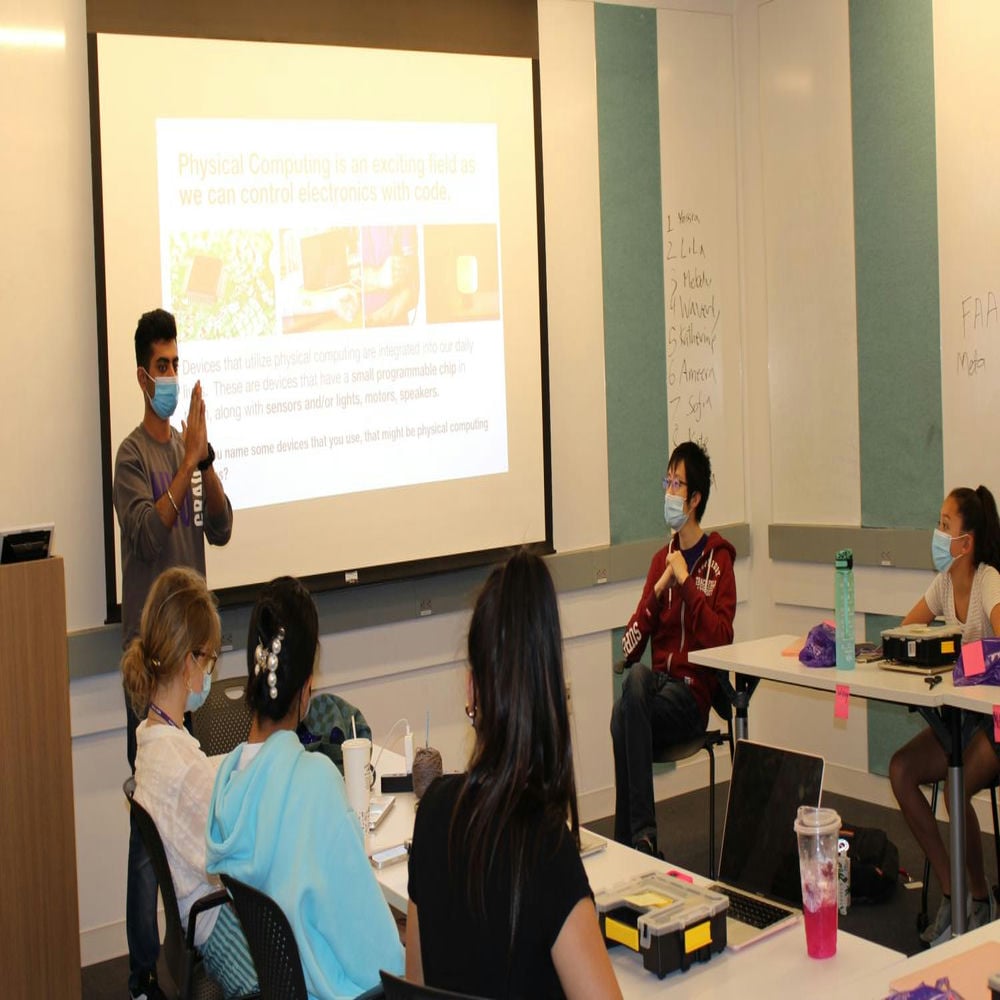
Served as lead instructor for the computational curriculum spanning interactive programming, machine learning, and computer vision in Python using Google Colab to high school students within an intensive 6-week STEM course. Introduced the concepts of regression, classification, neural networks, and data visualization using PyTorch and open datasets, followed by a challenge project applying computational skills to solve real-world problems.

Honda R&D
INDIA


Designed and trained UNet architecture with data augmentation on a customized dataset for surface defect detection, achieving 93.7% mAP at IoU 0.5 for identifying cracks, pits, and patches.

Developed ANN-based learning algorithm to predict Battery health, SOC, and SOH with 94.2% accuracy using data from real-world riding pattern and conditions, improving BMS efficiency by 14%.

Robocon Lab
SRM University


Implemented instance segmentation to identify object of interest in the image and performed farthest point sampling to compute object pose in image space.

Estimated the object pose by projecting the pixel coordinates to 3D world using camera extrinsics and stereo geometry to perform vision-based grasping.

my Projects


Autonomous Maze
Navigation

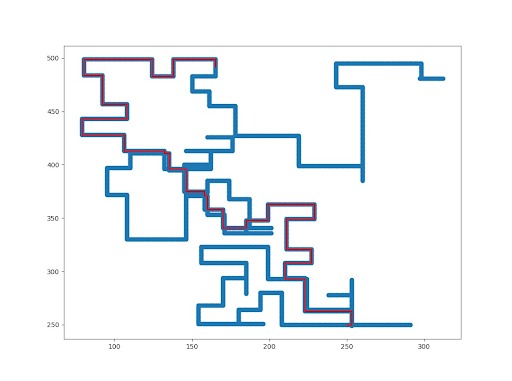
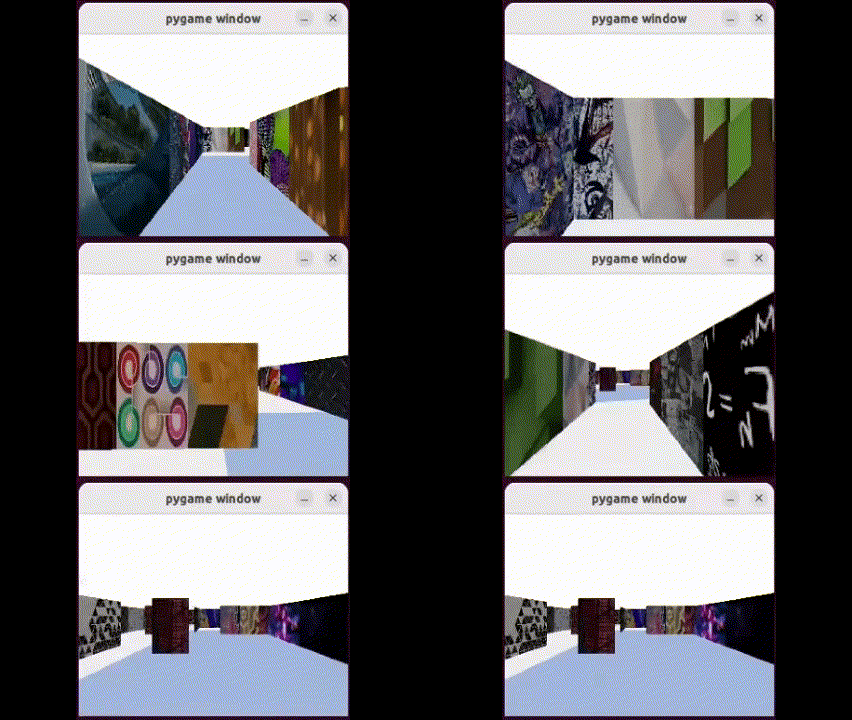
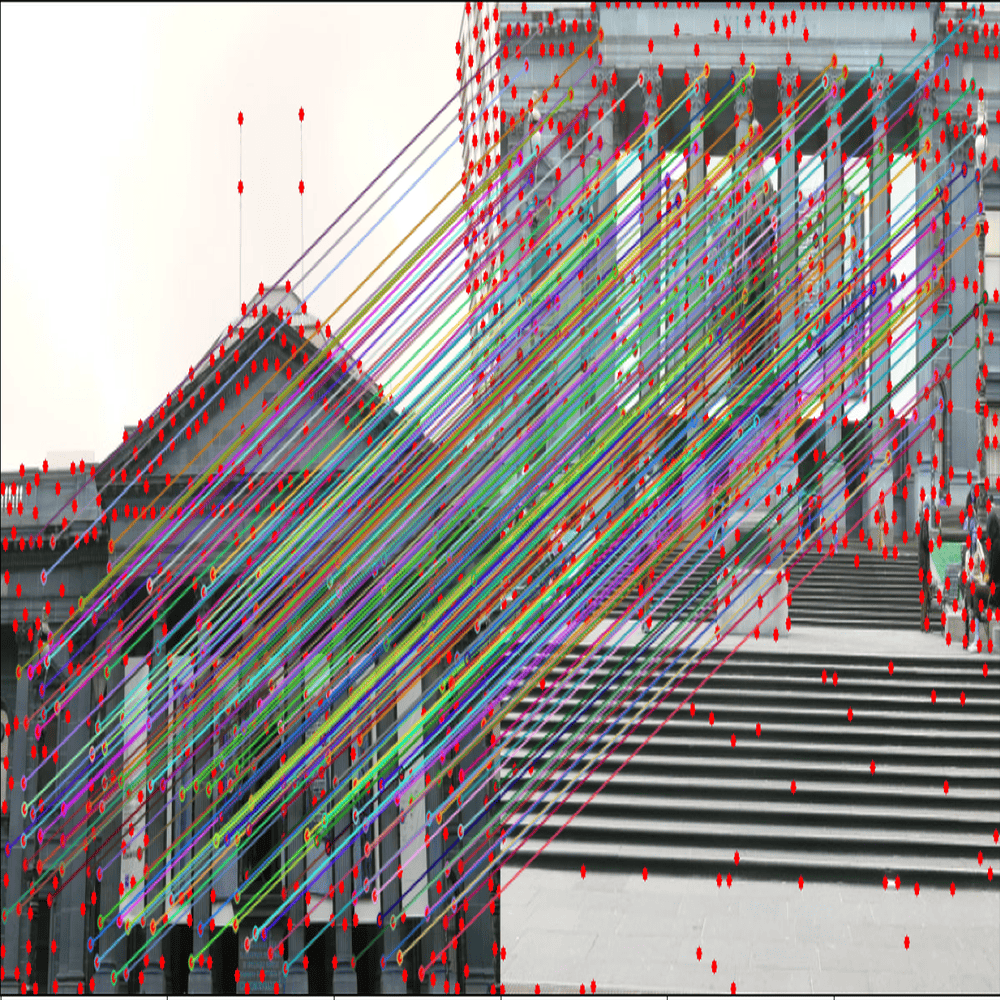
Developed an efficient mobile robot navigation algorithm using a monocular camera in a maze environment comprising a semi-automatic exploration phase and a fully autonomous navigation stage. The system employs Vanishing Points for accurate robot pose correction relative to walls, SIFT/SuperGlue for optimal target image matching to locate the goal, and the A* path planning algorithm for generating the shortest path autonomously. The approach ensures accurate exploration and effective maze navigation, with autonomous decision-making for optimal results.

Read More


Implementing-DDPM-DDIM for Diffusion Models

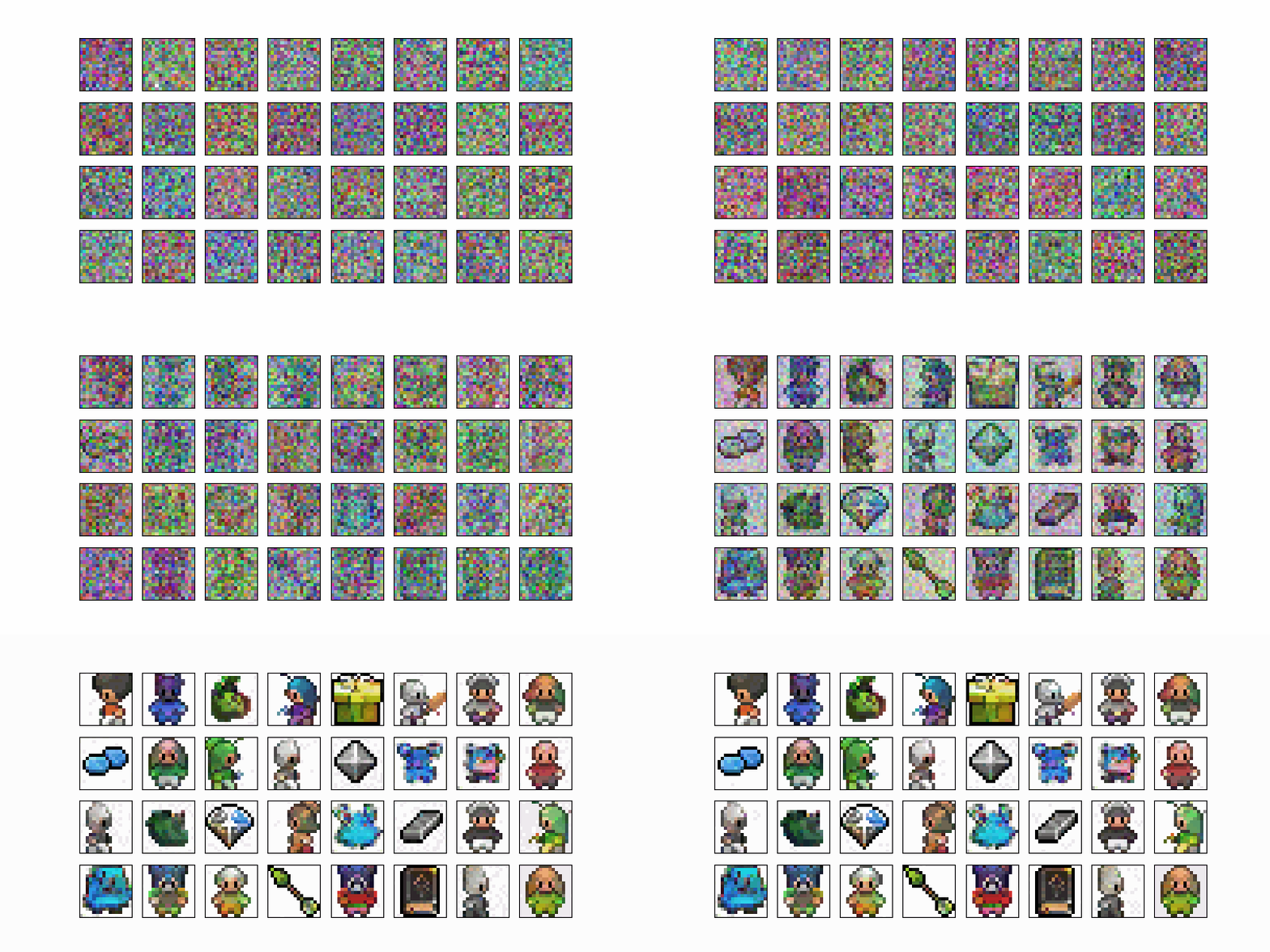
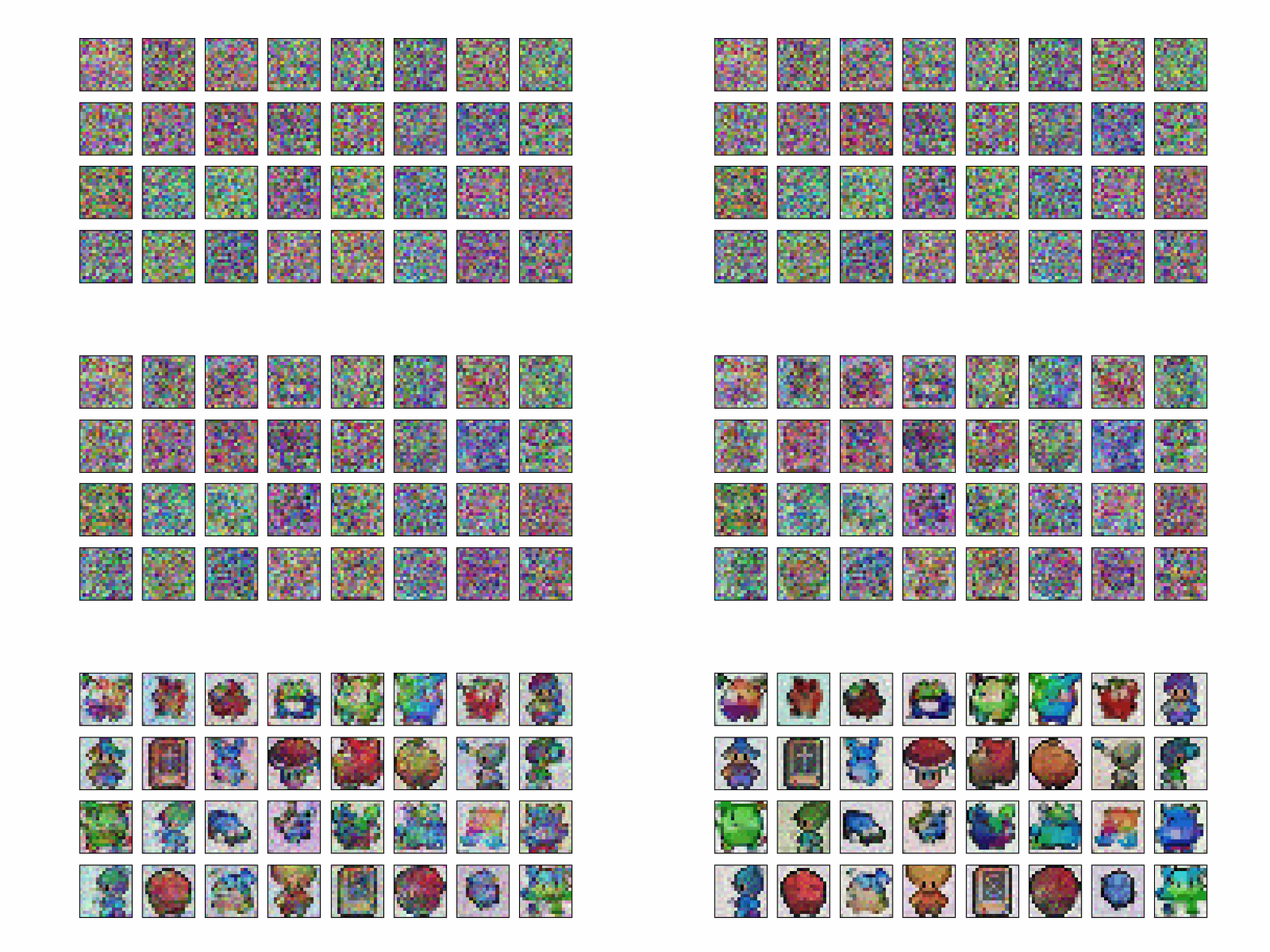
Developed a custom Contextual U-Net for conditional image generation and compared DDPM and DDIM sampling methods, achieving a significant reduction in sampling time with DDIM (115 ms vs. 2.13 s for 32 samples) while maintaining high-quality outputs.

Conducted extensive performance evaluations, including visualization of denoising processes to highlight efficiency gains and quality of generated images. The comparison demonstrated DDIM offers faster sampling than DDPM while maintaining comparable sample quality, making it preferable for applications requiring efficiency in generation tasks.

Read More


Mapping & Navigation
for Indoor Environments

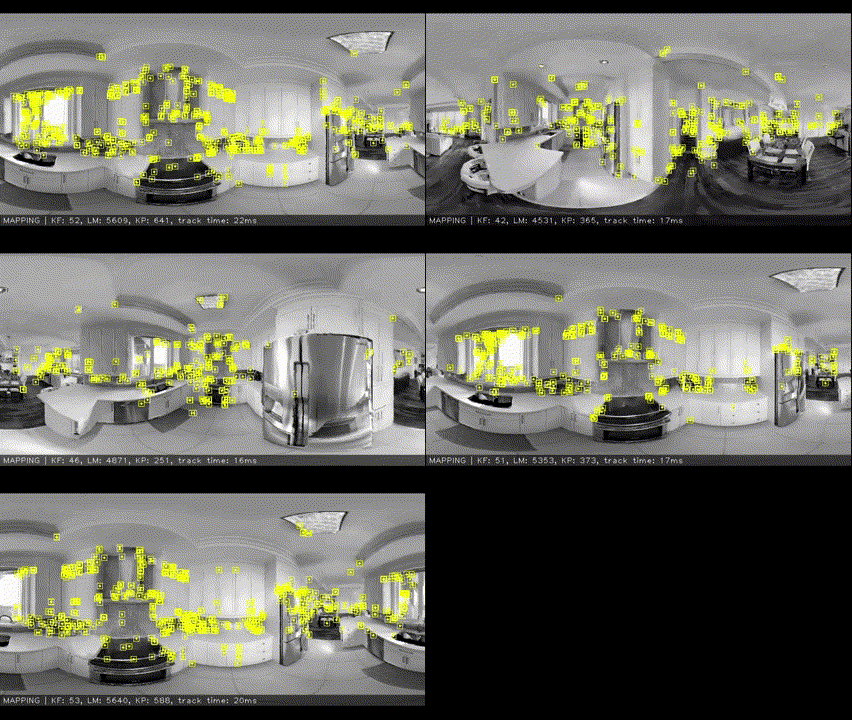
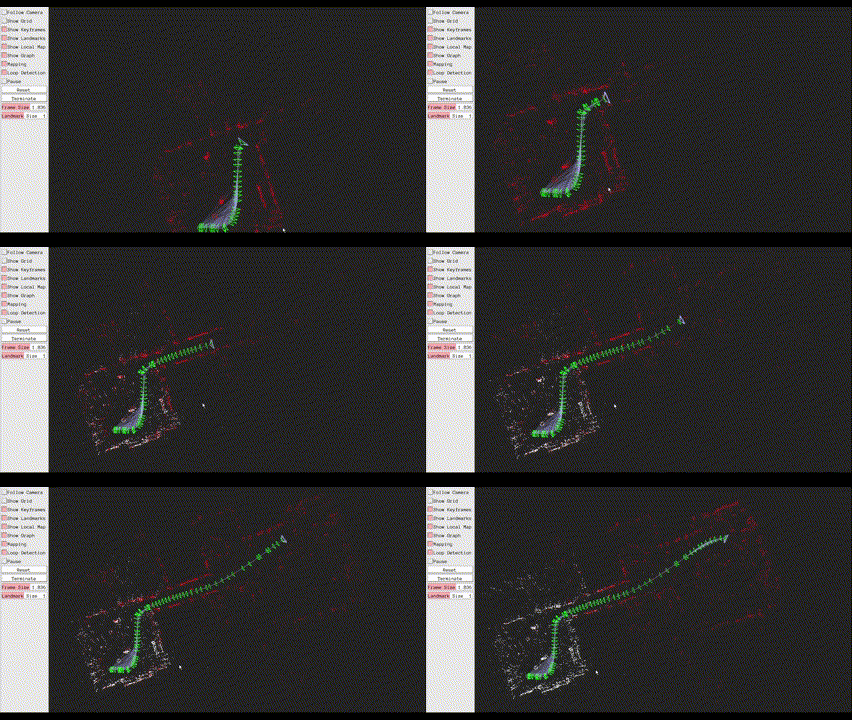
Led advancements in indoor navigation using SLAM, Habitat-Simulator, and the Habitat-Matterport 3D Dataset. Utilized a RICOH THETA S 960 camera for dynamic motion capture of the indoor environment, and implemented OpenV-SLAM pipeline to create a high-fidelity 3D point cloud map. Enabled real-time robot localization in dynamic indoor spaces, contributing to diverse applications such as Assistive Navigation for the Visually Impaired, Smart Home Navigation, Healthcare Assistant Robots, Tourism Assistance, and more.

Read More


3D-2D Point Cloud
Registeration

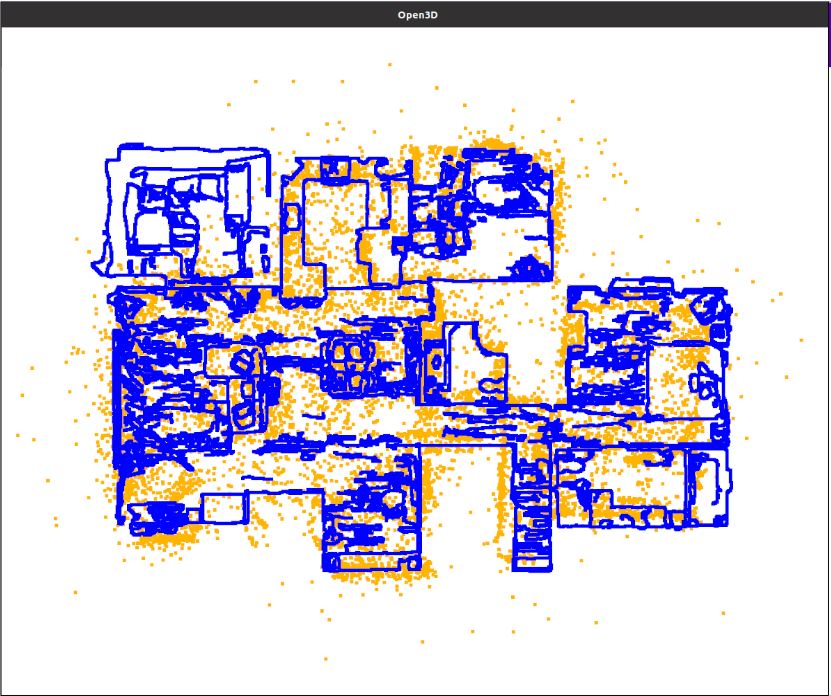
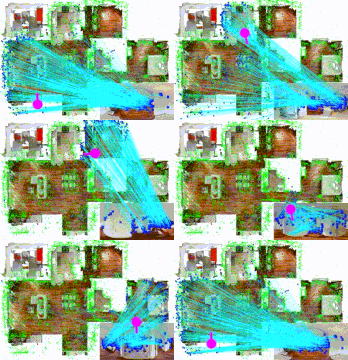
Developed an autonomous method for mapping sparse 3D environments onto 2D floor plans. Our approach automates correspondence discovery, generating a transformation matrix to align 3D maps with floor plans. Validation and optimization involved a dataset of 1,000 indoor environments, utilizing habitat-sim for 3D maps and HM3D for top-down views. Techniques like dimensionality reduction, RANSAC, and ICP were employed for robust registration, significantly improving navigation and enhancing safety and efficiency in complex environments, particularly for automated indoor navigation applications.

Read More

YOLO_v5 : Person
Detection and Segmentation

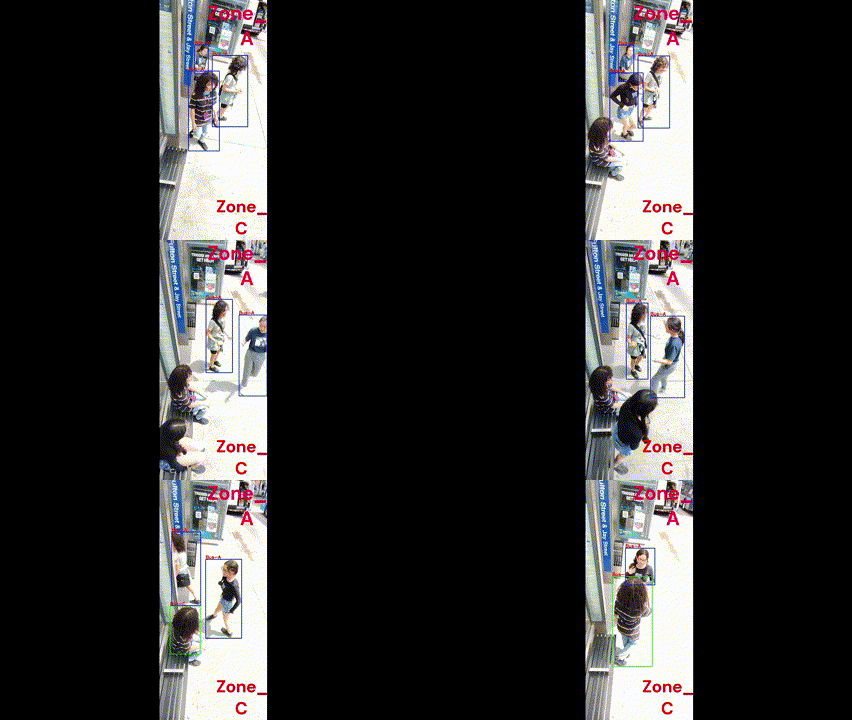
YOLO : Implemented YOLO_v5 for efficient object detection in the Queens MTA bus system, optimizing operations through bus stand segmentation by bus number. Integrated person detection, labeling individuals with their intended bus. By skipping just 1% of stops, saving 39 days annually, the system drastically reduces costs, boosts efficiency, and enhances passenger experience.

Read More


Transformers based
Point Cloud Segmentation

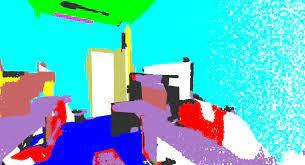
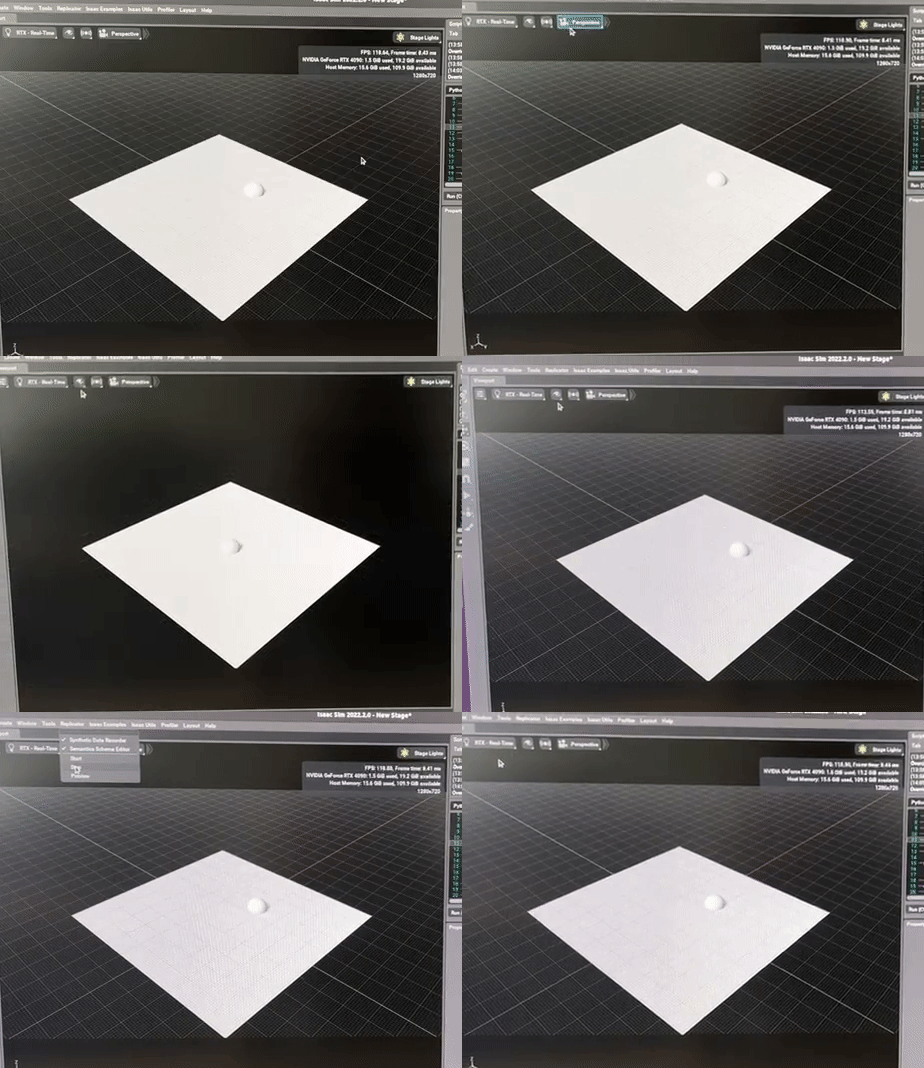
Developed a SOT Point Cloud Transformer architecture for the purpose of metal shape inspection through point cloud segmentation. Remarkably, the model achieved impressive accuracy rates, boasting a training accuracy of 99.27% and a test accuracy of 92.46% when evaluated on the widely recognized ModelNet40 dataset. To bolster the model's training, I generated synthetic point cloud data using the Structured Domain Randomization (SDR) technique, utilizing the Nvidia Omniverse replicator platform.

Read More


Classical Structure
from Motion(SFM)

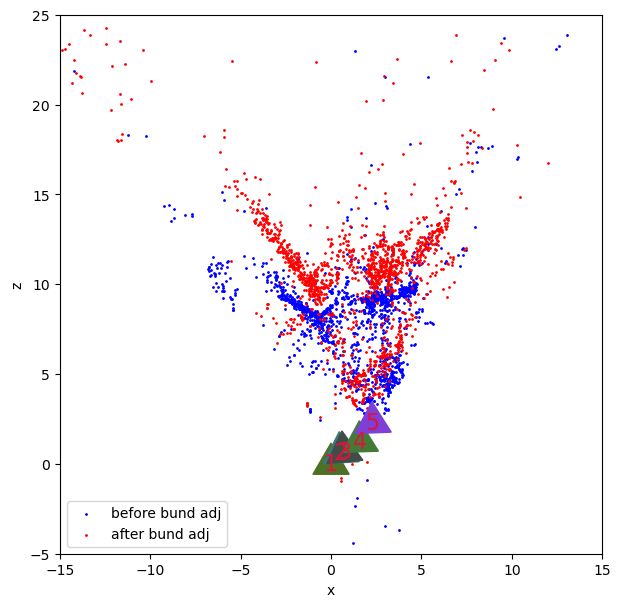
Reconstructed a 3D scene and obtaining poses of the monocular camera by implementing classical SfM pipeline and following main steps including feature matching, estimating the fundamental matrix, essential matrix, camera pose, triangulation, and bundle adjustment.

Read More


NeRF: Neural
Radiance Fields

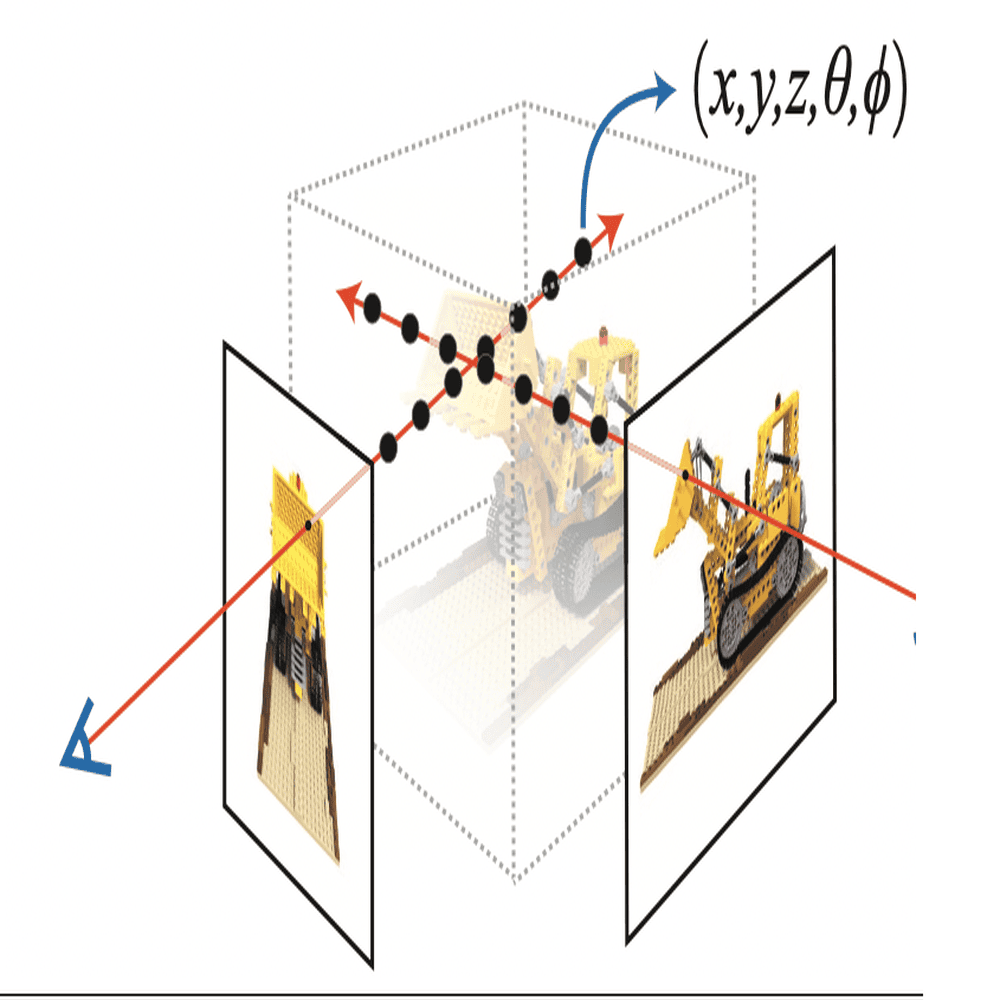
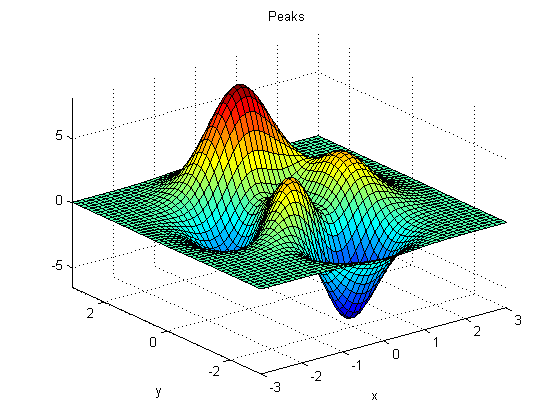
NERF utilizes a fully-connected deep neural network to generate volume density and view-dependent radiance at 5D coordinates.

Implemented the NERF (Neural Radiance Fields) method to synthesize new views of complex scenes by optimizing a continuous volumetric scene function with sparse input views and rendering realistic scenes with complex geometry.

Read More


U_Net for CARNAVA Image Segmentation

Created a comprehensive PyTorch implementation of U-Net from scratch for high-accuracy image segmentation on the Carvana dataset, including dataset preparation, augmentation, and model training. Designed a modular project structure with distinct components for model architecture, dataset handling, and utility functions.

Streamlined training with customizable hyperparameters and data augmentations using albumentations. Developed scripts for training, evaluation, checkpointing, and monitoring model performance and accuracy..

Read More


3D Semantic Mapping

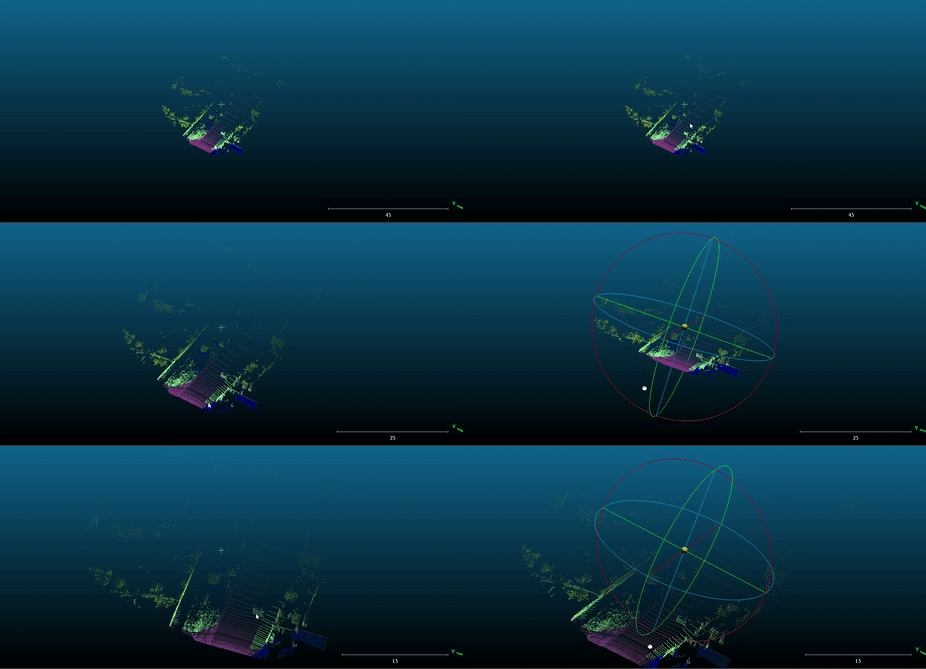
Constructed a high-definition map by processing raw LIDAR point cloud data and applying semantic labels from RGB images to the LIDAR point cloud. Generated a detailed environment map by assigning semantic labels to each 3D point through RGB semantic segmentation using the DeepLabV3+ network on the KITTI-360 dataset.

Read More


ResNet optimization
strategies

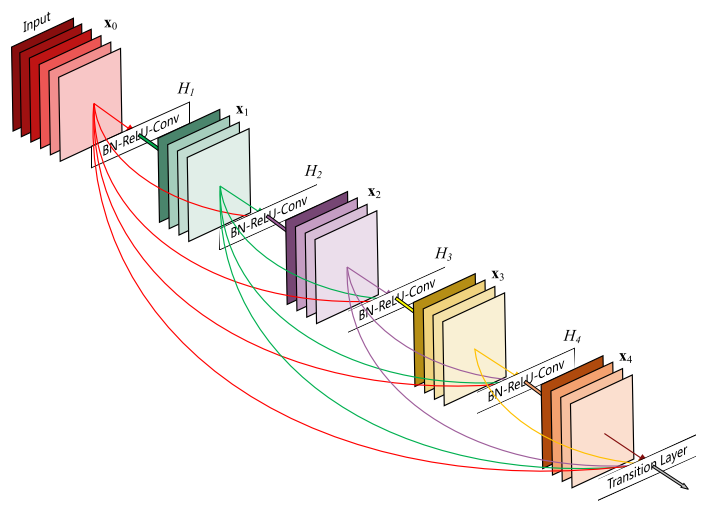
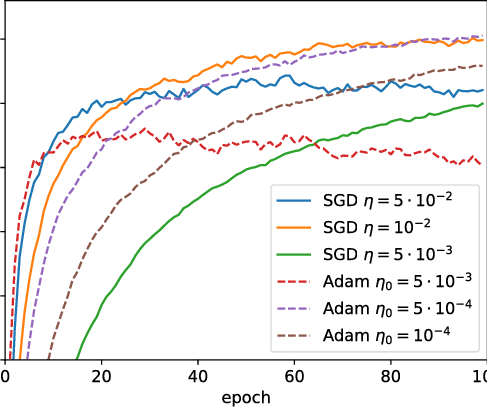
Implemented ResNet architecture for image classification on CIFAR-10 dataset using PyTorch. Trained models utilizing various optimization techniques like SGD, SGD with momentum, and Adam to compare performance. Analyzed training and test error, loss curves to evaluate optimization strategies. Trained convolutional neural networks using different optimization algorithms and hyperparameter tuning.

Read More


Implementing_Optimization
Techniques

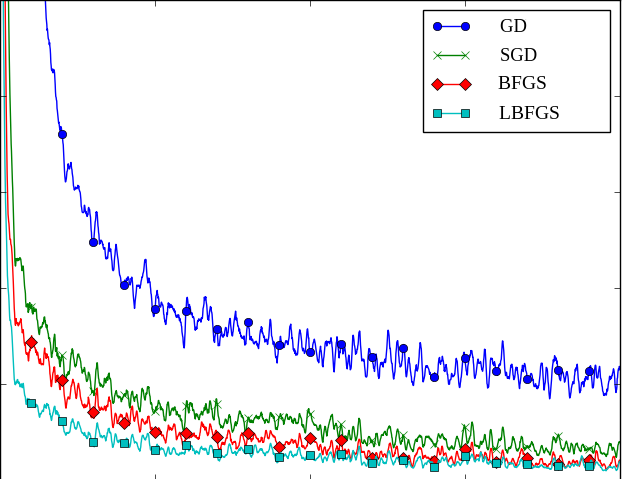
Implemented Kernel Logistic Regression with L2 regularization for binary classification. Optimized the objective function with various techniques like Gradient Descent, Stochastic Gradient Descent, BFGS, and LBFGS. Analyzed the performance of different optimization algorithms by evaluating the prediction accuracy and convergence of cost function.

Read More


Siamese_CNN_Network
for Digit Recognition

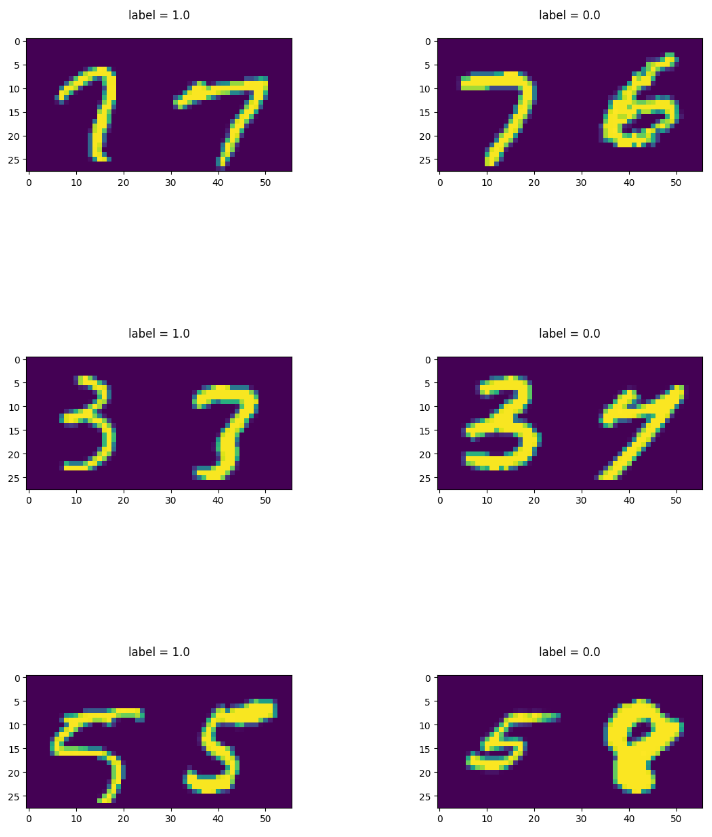
Implemented Siamese convolutional neural network in PyTorch for digit recognition using the MNIST dataset. The network architecture consists of shared convolutional layers for feature extraction followed by fully connected layers. The training uses 10% of the MNIST data and optimizes a contrastive loss function to differentiate between digit pairs - minimizing the loss for matching pairs and maximizing for different pairs. The results show the model can effectively differentiate between matching and non-matching digit pairs.

Read More


Panorama_Stitching

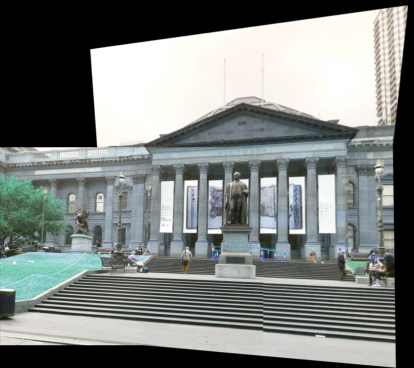
Implemented classical computer vision techniques like feature detection, matching, and RANSAC to estimate homography and blend images. Additionally, built a deep learning model called HomographyNet to predict homography between image pairs in a supervised and unsupervised manner. The model is trained on synthetically generated dataset using data augmentation techniques. The algorithm demonstrates proficiency in applying both classical and deep learning approaches for tackling core computer vision problems like image stitching.

Read More


Stereo Depth and Distance
to Collision Estimation

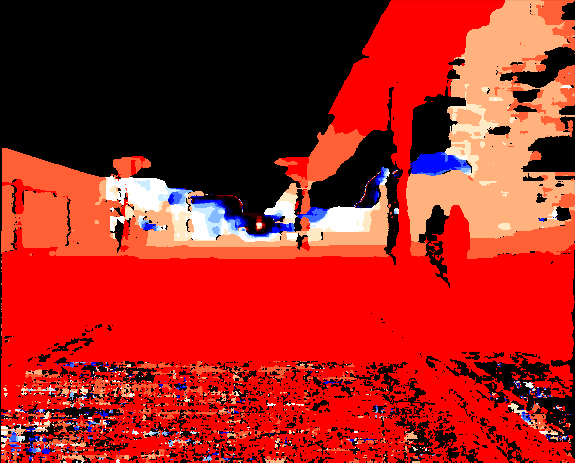
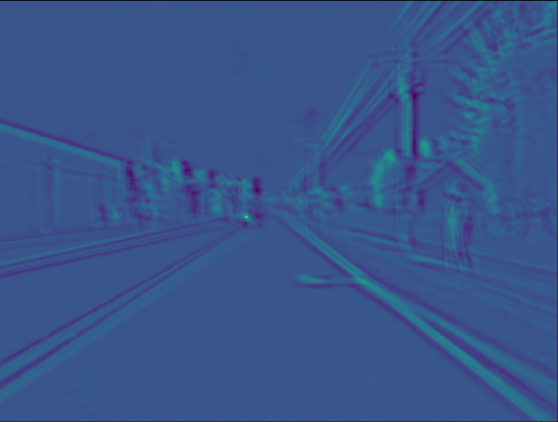
Applied stereo depth estimation techniques to enhance driving safety by calculating distances to potential collisions using a stereo vision approach with two cameras capturing the scene from slightly different perspectives, the system performs stereo matching to create a disparity map. This map encodes pixel-wise disparities between the two images, enabling the estimation of object depths. By leveraging this depth information, the system can effectively determine the distances to potential collisions in a driving scenario, thereby enhancing collision avoidance and safety measures

Read More


Online Classification
using Experts_Settings

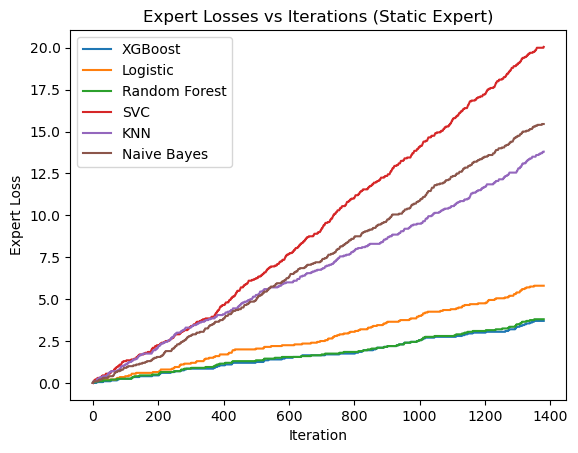
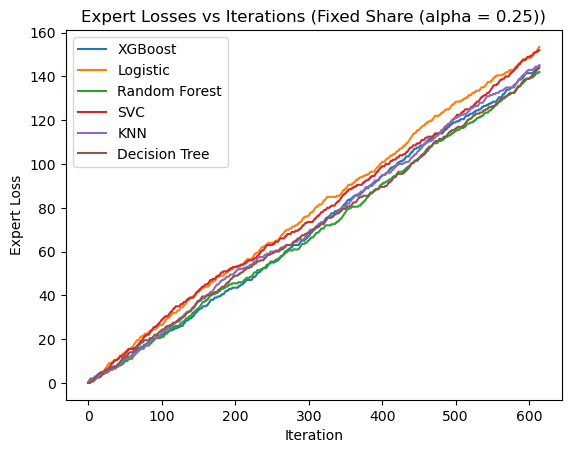
Implemented Static Expert and Fixed-Share ensemble machine learning algorithms in Python to analyze Cloud and Spambase datasets. Designed six experts - XGBoost, Logistic Regression, Random Forest, SVM, KNN and Decision Tree classifiers. Evaluated algorithms by tracking evolution of expert weights, cumulative loss of learner, and cumulative loss of experts. Analysis provided insights into preference for experts and effectiveness of algorithms. Demonstrated expertise in ensemble methods and their experimental evaluation on UCI repository datasets.

Read More


RANSAC Plane Estimation

Implemented RANSAC plane fitting algorithm using Open3D and NumPy for 3D point clouds. The code iteratively samples points, calculates plane parameters, identifies inliers, and updates the best-fit plane. It loads a point cloud, applies RANSAC, and visualizes the original and colored point clouds, performing Point cloud plane segmentation using RANSAC.

Read More

Zhang's_Camera_
Calibration

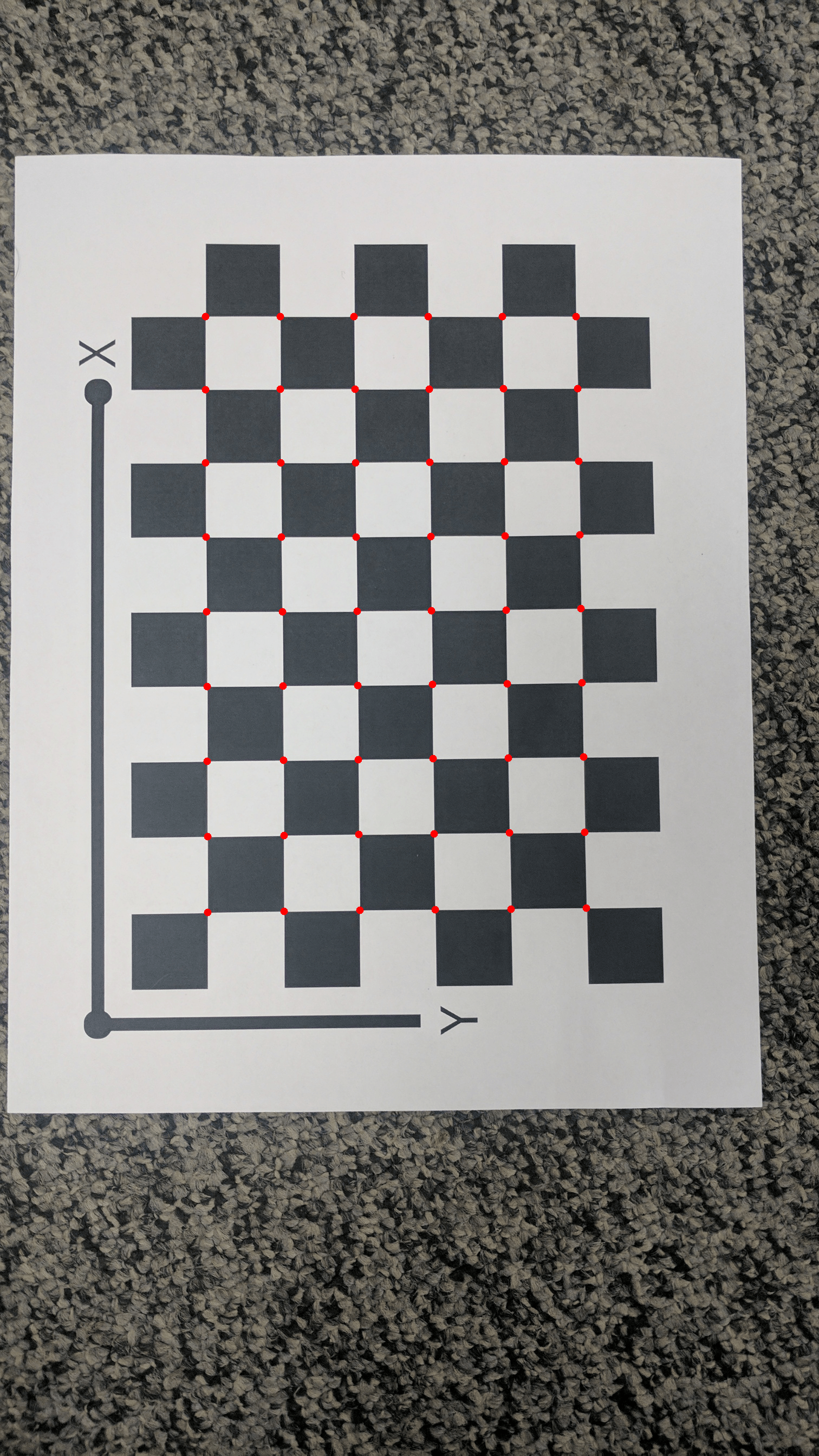
Calibrated the smartphone camera using 13 checkerboard images to establish intrinsic parameters for the conversion of image pixels to real-world 3D points.

Employed initial extrinsic estimation through Homography decomposition and Direct Linear Transform, followed by refinement using the Zhang distortion model through non-linear optimization.

Read More


2D_Classification_
And_Regression

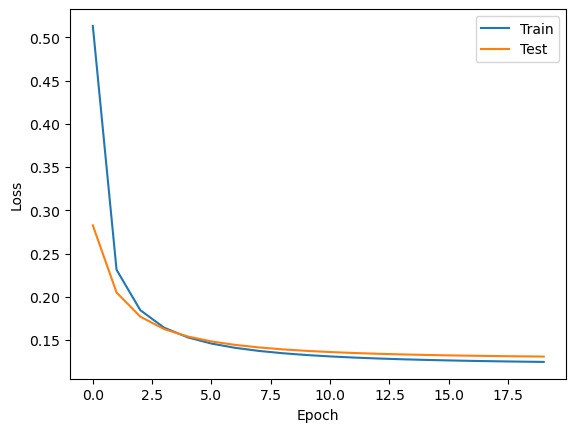
Solved Classification problem using a PyTorch-based fully connected neural network with two hidden layers and four Gaussian classes. Generated Randomized data, designed network, trained with NLL loss, monitored, and evaluated accuracy.

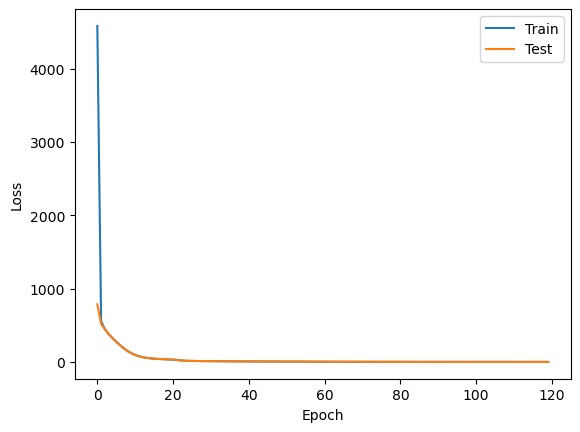
Implemented Regression model using PyTorch, and fully-connected neural network with two hidden layers. Data split 90:10 for training and testing. Utilized mean-squared error loss. Monitored and plotted train/test loss during training, reporting final loss values.

Read More


Wireless Controlled
Serial Manipulator

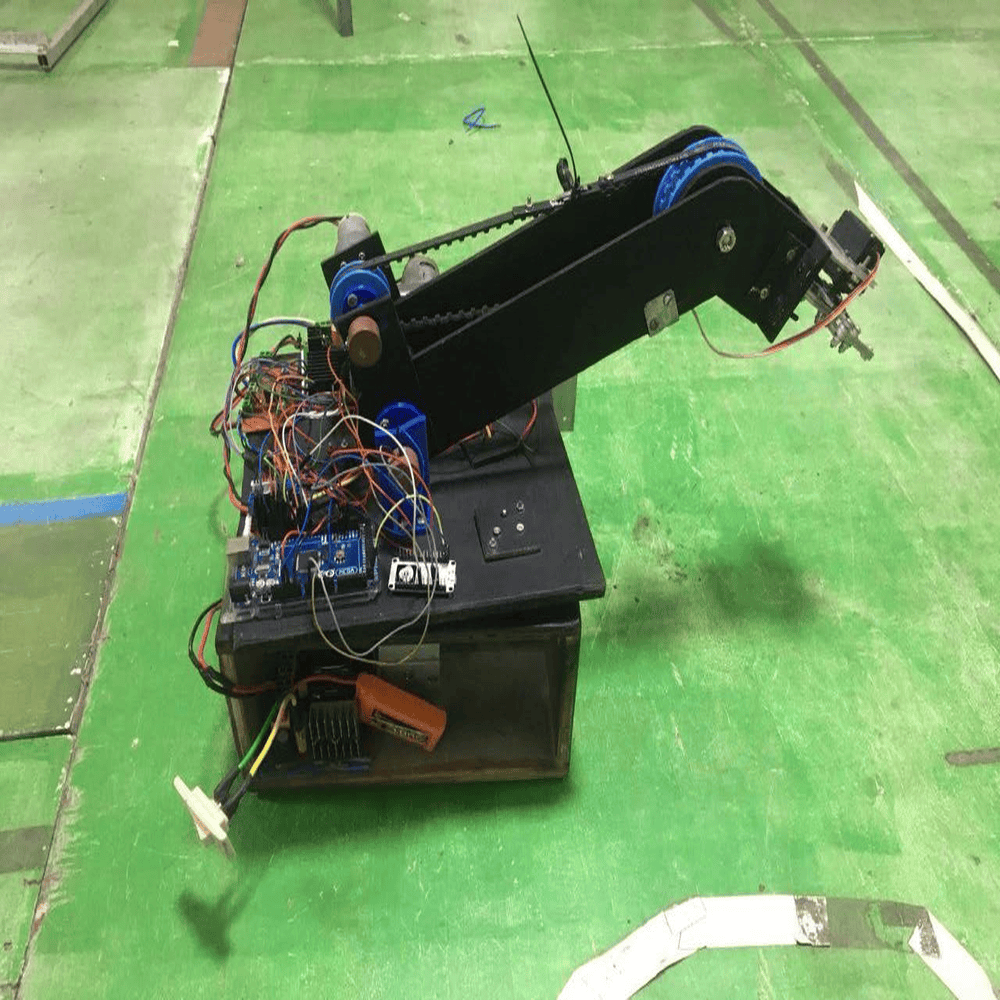
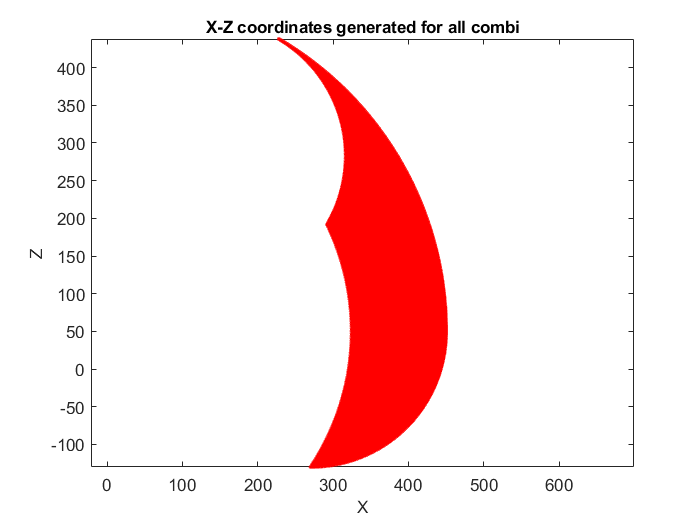
Designed and implemented a 3-DOF wireless pick-and-place robot manipulator to assist in industrial environments. Developed a mobile app for user input and control of the robot's end-effector to pick and place objects. Performed kinematics and motion planning using microprocessor to achieve precise manipulator movement. The wireless human-robot interface helped developing skills in mechatronics, control systems and human-robot collaboration for advanced manufacturing assistance.

Read More


Injection Moulding
Take-out Robot

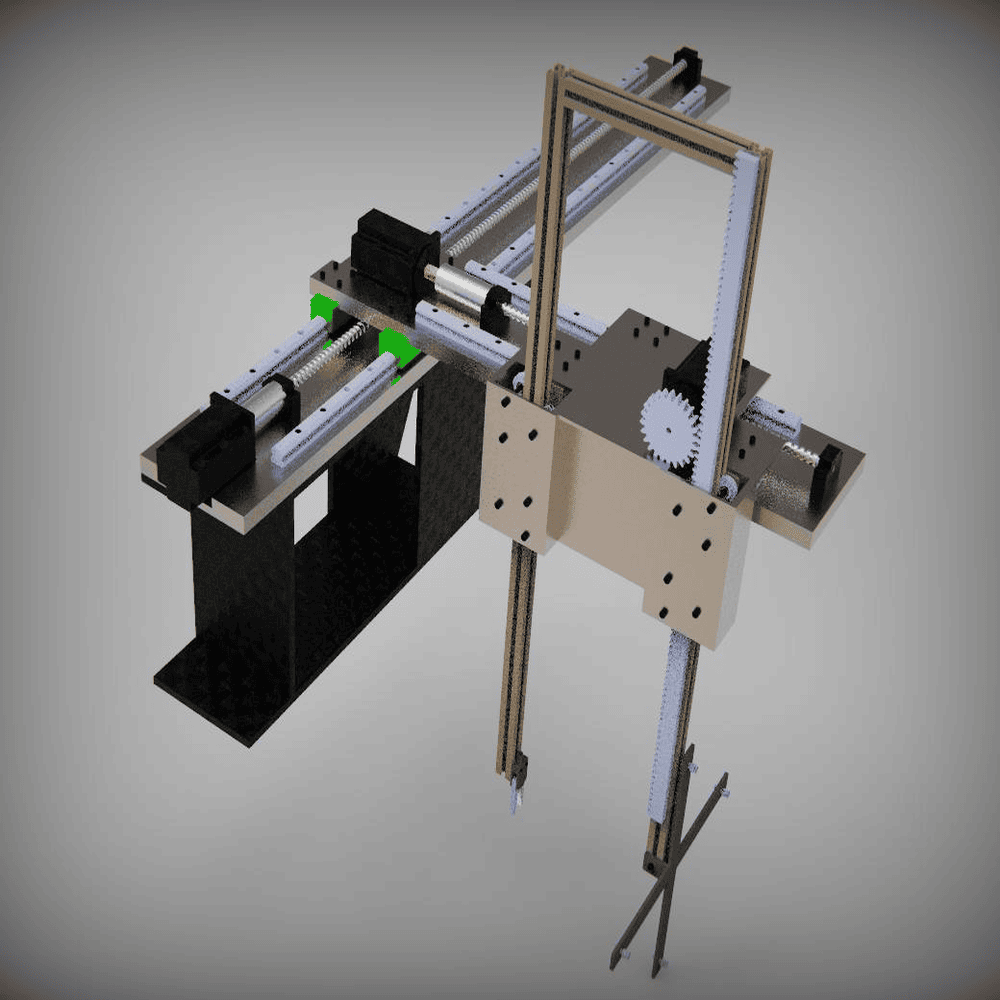
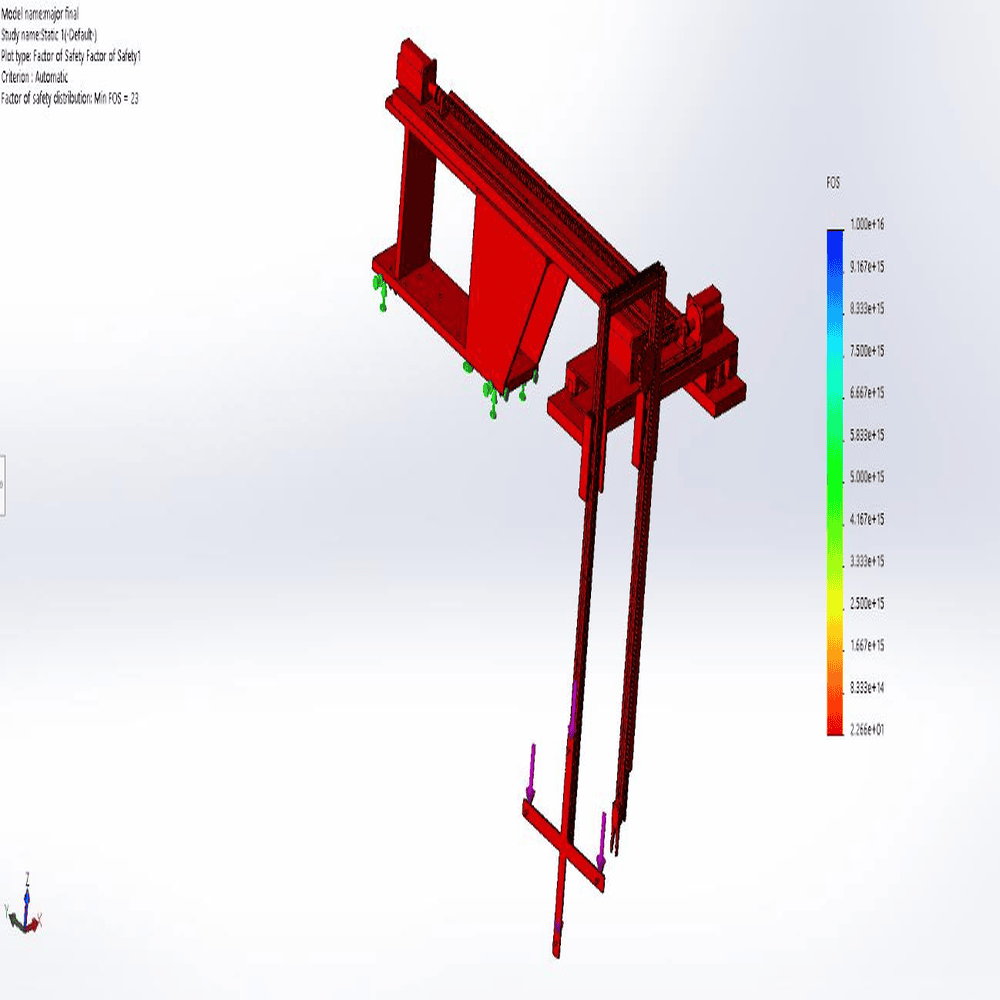
Designed and fabricated a 3-DOF pick-and-place robot for automated plastic injection molding. The robot unloads finished plastic parts and runners using rack-pinion and ball screw driven axes controlled by a PLC. Custom built to match press speeds and job specifications. Successfully deployed the cost-effective and lightweight automation solution improving productivity for a plastic manufacturing company, improving skills in mechanical design, mechatronics, and industry-academia collaboration for developing customized automation.

Read More


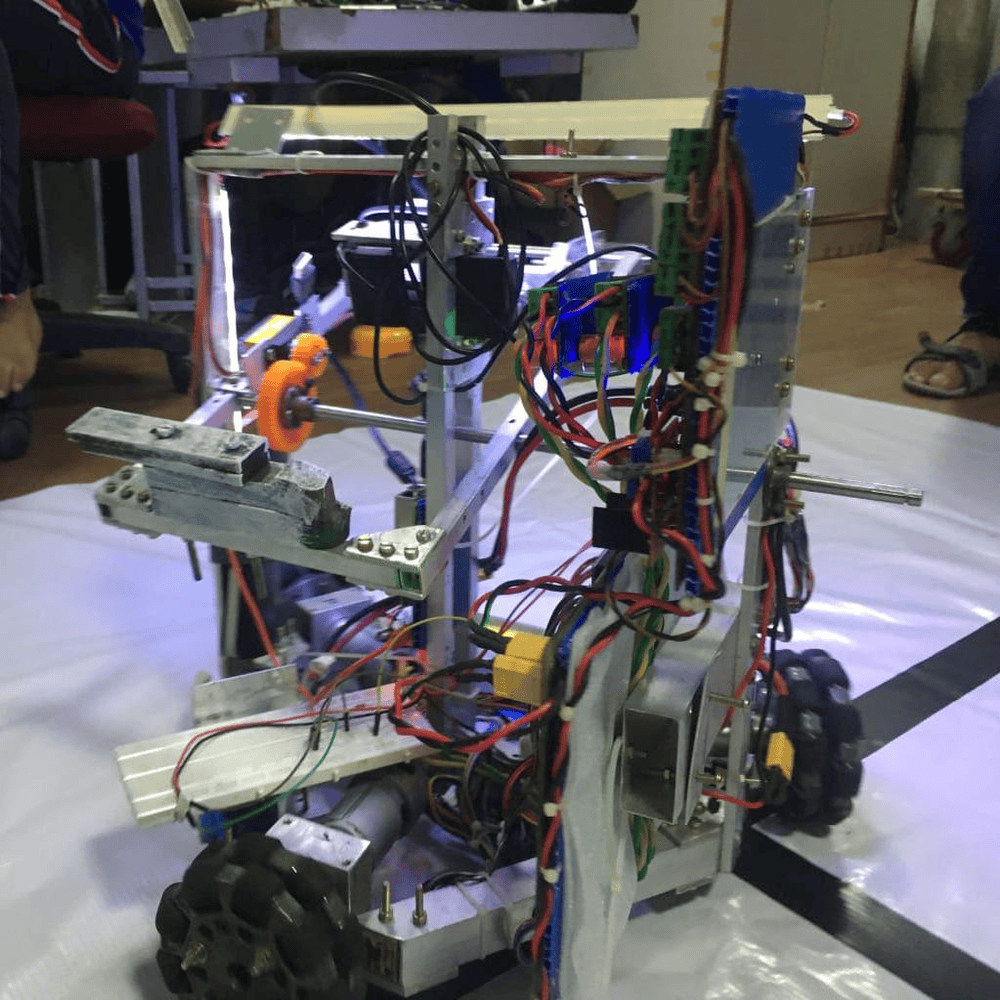
ABU Robocon 2019

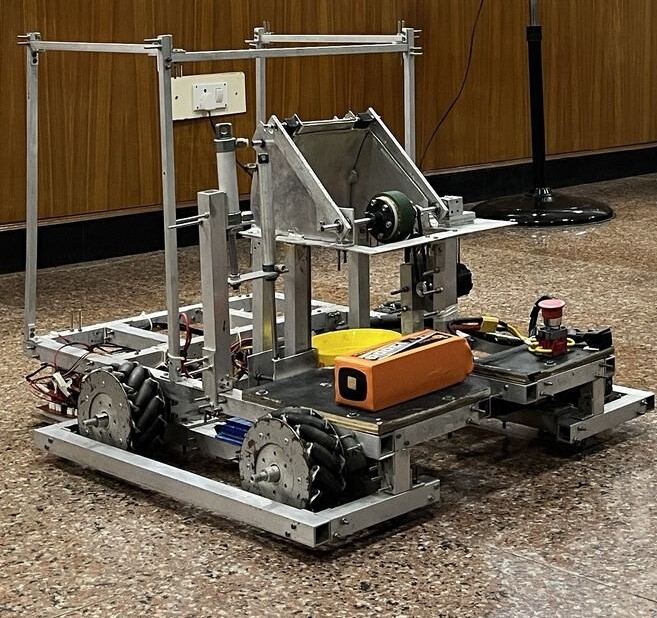
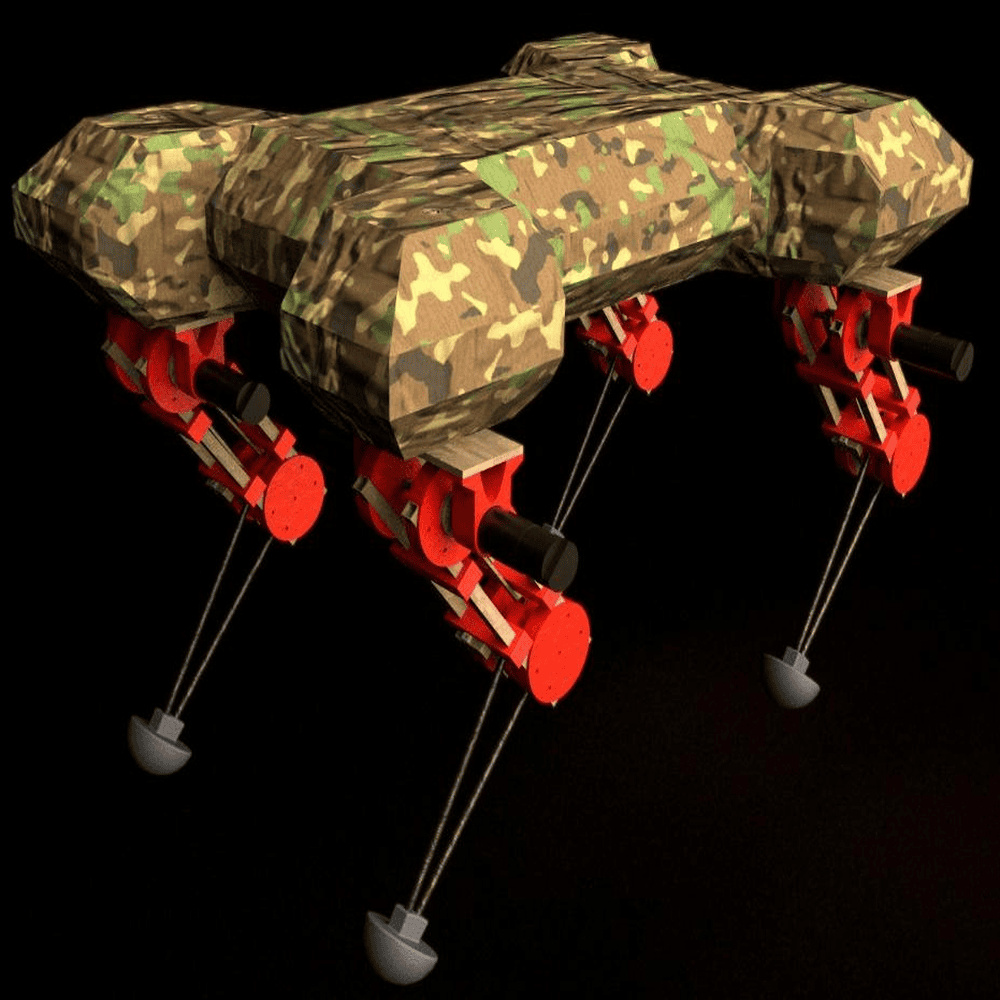
Designed and built two cooperating robots for ABU Robocon 2019 competition inspired by ancient Mongolian messenger relay system. Developed the manual robot to carry and pass testimony over varied terrain to four-legged walking robot acting as second messenger. Programmed quadrupedal robot to traverse obstacles using legs and climb mountain like platform to raise the testimony. Developed robotic programming, and design while drawing on history and teamwork to address competition challenges.

Read More


ABU Robocon 2018

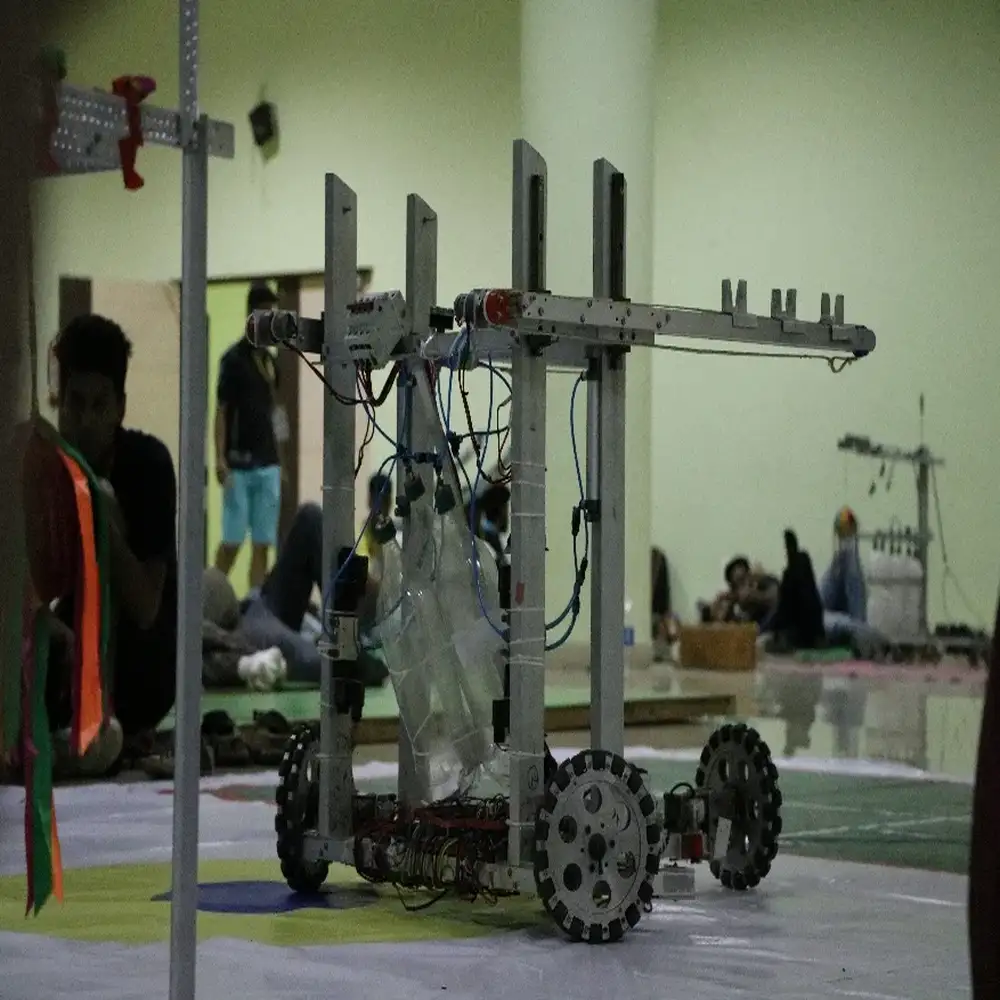
We Designed robots that mimic the traditional game of shuttlecock throwing. The objective is to score points by throwing shuttlecocks through rings. A manual robot collects these shuttlecocks and passes them to an automatic robot. The automatic robot's task is to aim for the rings, with the potential to win instantly if a golden shuttlecock lands in a golden cup. This contest involves specific criteria for team members, robot design, field dimensions, scoring, and safety considerations.

Read More


World_Robot
Olympiad(ARC-2018)

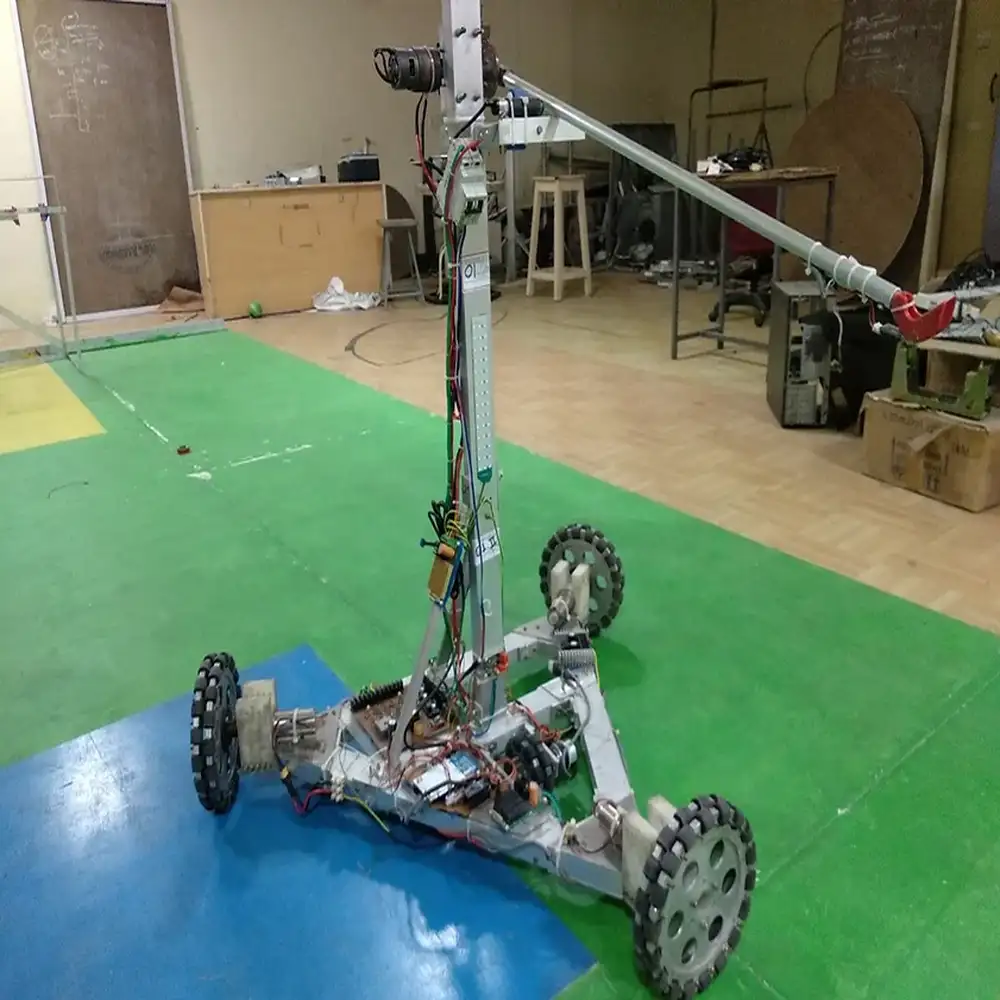
The objective is to build a robot that can score points by stacking interlocking colored shapes called tetracubes inside a rectangular frame called the Stacking Form. The robot must gather the tetracubes from around the playing field and place them into the Stacking Form to complete as many horizontal rows as possible within the time limit. Implemented instance segmentation to identify object of interest in the image and performed farthest point sampling to compute object pose in image space. Estimated the object pose by projecting the pixel coordinates to 3D world using camera extrinsics and stereo geometry to perform vision-based grasping.

Read More


IOT_based_Hydroponics

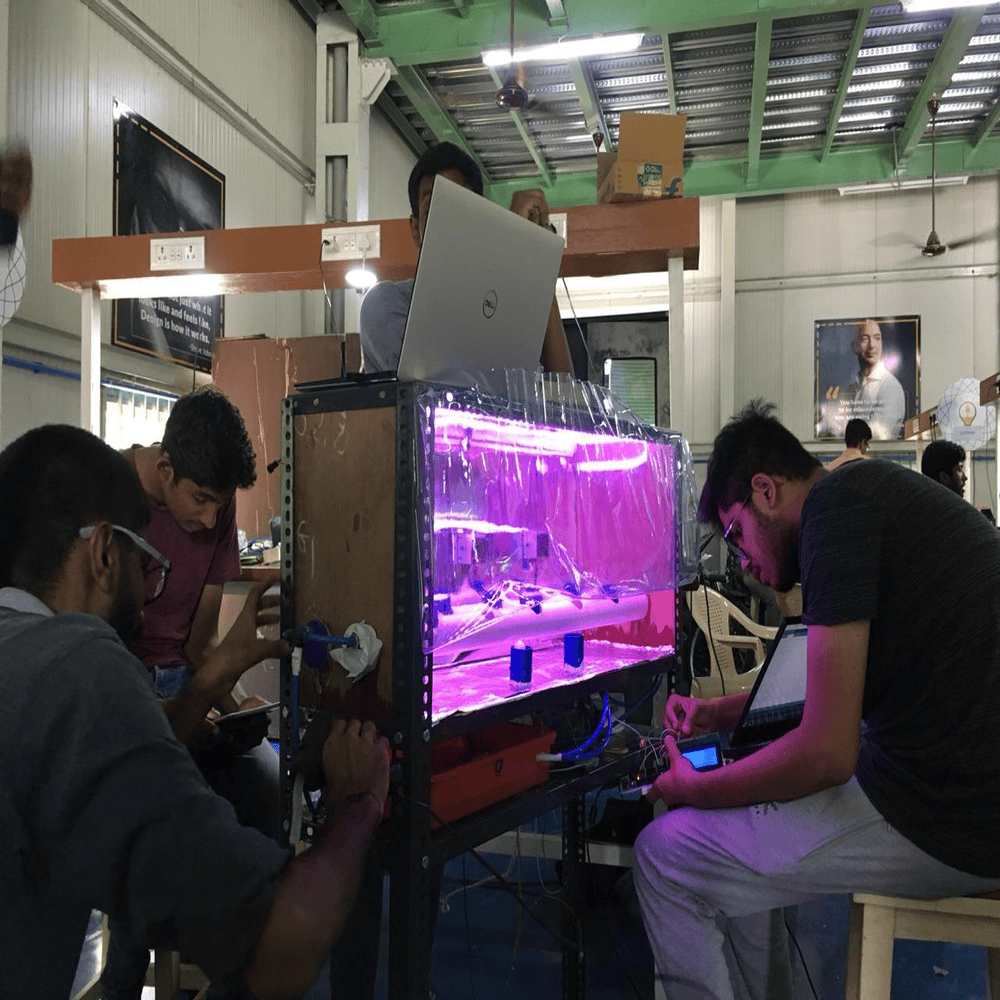
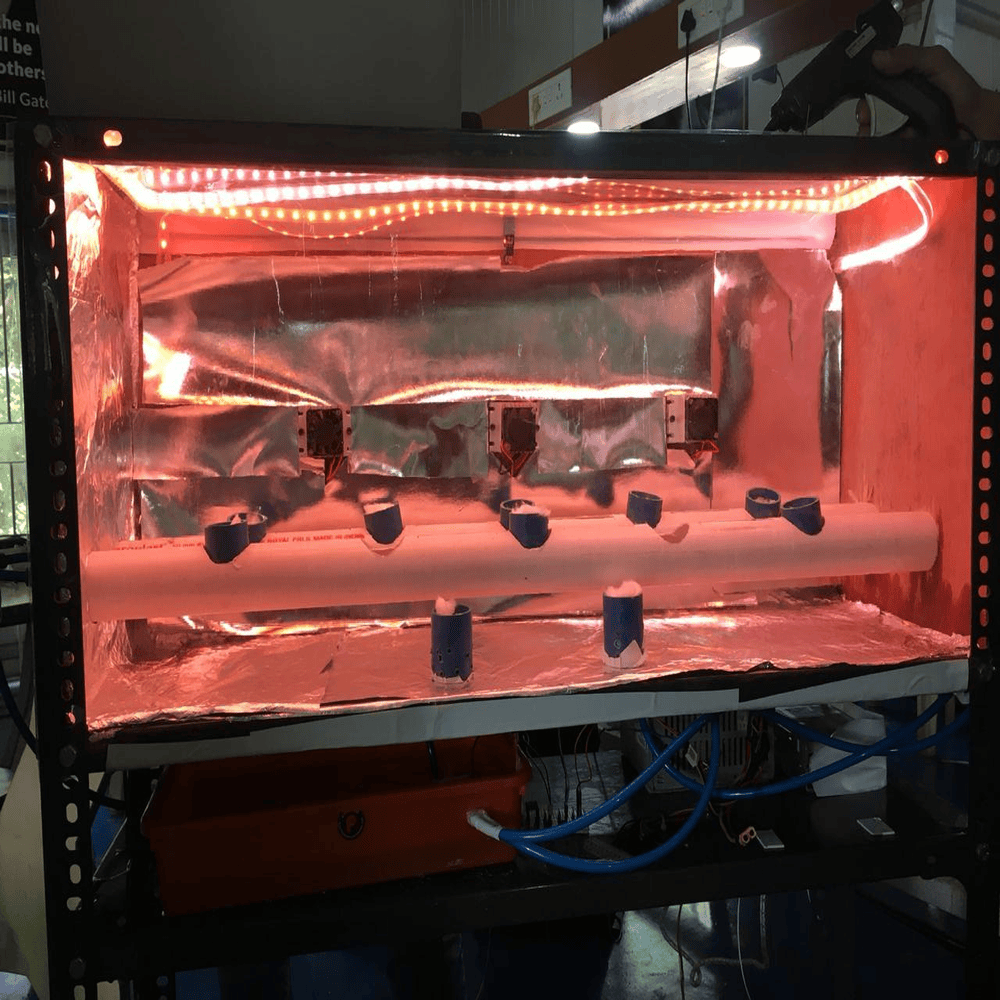
Designed an innovative agricultural incubator called Demeter, named after the Greek goddess of harvest, to enhance plant growth through a fusion of hydroponics and LED lighting. The remote monitoring and control of critical environmental parameters like humidity, temperature, reservoir water levels, and LED wavelength/intensity combined with the algorithm to vary LED emission spectrums based on each crop's needs, accounting for phenomena like photoperiodism allows complete control over the climatic conditions experienced by the crops.

Read More

Connect